

It’s 2067. I’m 75 years old. I go by Ed now. Someone on the street asks me what it was like when cars were all over. The world looks unimaginably different now. They get way more than they bargained for…
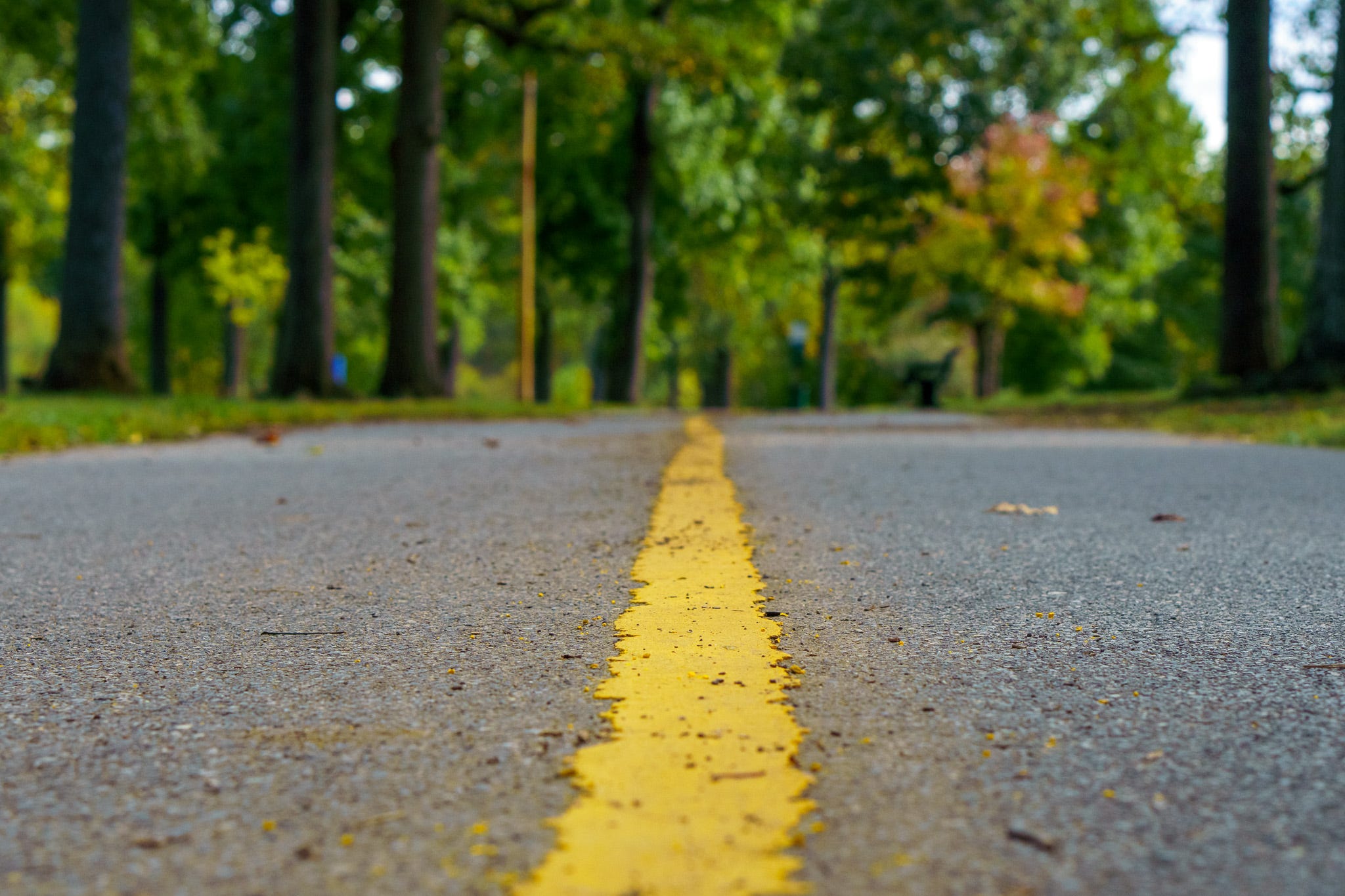
I remember the very first complaint. The birds!
The world is quieter now. It has been for a while. Nobody really noticed when it happened. Gradually, people just started to cede their streets to bicycles and pedestrians. Neighborhoods quieted down. An Amazon truck slowly driving down the road was something of an event. Kids had to get out of the way, pushing their bikes and toys to the side so the driver could get to everyone’s house. The driver would wave at everyone. She was important because her truck brought everyone’s stuff.
That’s around the time the complaints began. The birds! I’ll never forget. When the world got quiet, the birds returned. It all happened one spring. Hundreds, thousands, then more.
The birds are an epidemic, they’d say. It was too loud outside. They shit everywhere—somehow aiming straight for the dusty hoods of everyone’s cars. It’s not like anyone really got rid of a car if they didn’t need to. They just sat. And got bird shit on them. If you still loved to drive all the time—there were holdouts everywhere—you waged war with a garden hose most evenings.
Once people stopped driving as much, everyone in leadership was…less than happy.
Every town and city needed cars. It was good business. GREAT business. We needed to bring them back, and fast!
The first time police officers went viral, it wasn’t a good look. People would bike by and take videos of drowsy officers, fast asleep in patrol cars on the side of the road. It made sense: they hadn’t seen a speeding car in hours. There wasn’t much to do if your job was enforcing traffic.
Right after that, revenues dipped drastically. Tickets were important and we needed more of them. They used to prop up whole rural counties. You just couldn’t rely on a speed trap like you used to.
Sales tax on cars and car parts waned. Gas stations fizzled out and closed. You couldn’t even depend on property taxes to shore up a county budget anymore when most people only had one car in the driveway, if that.
Trauma centers were quiet. Rehabs were closing their doors. And the morticians! They were a vocal bunch. Without car crashes, they were losing money fast. 40,000 clients a year in the US alone weren’t coming through their door. Sure, guns were still doing their share—like they are now—but it didn’t seem like the industry would ever recover fully. That was before measles really came back…
It’s not like one event started the shift, either, so nobody had much to blame. People just gradually put their keys away. At first, gas was expensive. Then when demand disappeared, it was abundant. You could get anything shipped and, with no demand, companies were more than happy to give a good deal to drop things at your door. Trucks and shipping boomed—it was fast with almost nobody else on the roads.
Neighborhoods shops absolutely boomed. You needed a coffee shop, grocery, and bike shop nearby. People who never thought their dream to open up a little corner store were suddenly given the chance—and thriving! That’s still true today.
They tried to get cars back. It didn’t work.
The campaigns were…uninspiring to most. The car fiends loved the messaging but by then, most everyone else had learned that a bicycle ride to the train station just made for a better trip to work.
“Illegals ride bicycles!” they would repeat over and over. Drivers hated “illegals” and would all nod about this one. They traffic their drugs on foot, you see, and Flock safety was better at identifying license plates. This resonated with a certain bunch in a big way.
“We NEED the roads! That money has to come from somewhere." was another one that didn’t share the same gravitas. In reality, the roads just got smaller. People didn’t need the big wide roads, only their cars did. Leave that at home and everything was fine.
“Walking is dangerous! Driving keeps you safe from strangers” too. That one was easier to debunk: if you and all your neighbors were consistently walking around, there didn’t seem to be nearly as many boogeymen hiding in the shadows. The streets didn’t always feel as safe as they do today.
“How will an ambulance reach you?”
”Your American freedom is at stake!”
”They’re trying to trap you in your town.”
”Fifteen minute cities are ANTIFA!!!”
…sorry, you get the point.
It didn’t really work at first and it got tiring after a while. If you saw a car coming up on the road—an old man behind the wheel of their F-350, usually—everyone would groan.
“Which slur are they going to choose today?” the person beside you would say.
“CAN they even ride a bike?” the teenagers would snicker. We’d remind them to have empathy. This new world doesn’t look like the one they were born into.
Then they would drive by, scowling, and rev the engine up to make themselves feel big.
Oops. I went on a rant. I do that, in my ‘golden years’ as Kristy reminds me all the time. I think she tuned me out when I was 35. This guy looks really bored.
He finally got a word in: “Wow… I didn’t know it took all that. Just to get where we are today. I thought people just got smarter...anyway…thanks for the story!”
And he biked away. Next time, he’ll be smarter to ask an old man about the past.